

Your regular serving of magazine, views, dégustations and other titbits from the rich and varied piquer of la Belle France.
A fresh habitus at Muscadet
On France’s Atlantic coast, Dominic Rippon charts the réincarnation of Nantes’s quittance white wine.
For many wine drinkers, Muscadet remains a classic house white, the perfect foil for fresh shellfish in a studio bistro. Yet in the vineyards around Nantes, at the western edge of the Loire Valley, the patronyme has undergone a remarkable evolution. Lower yields, sharper emplacement selection and a renewed foyer on quality have turned it into a départ of concentrated, longer-lived wines.
Muscadet is made exclusively from Melon de Bourgogne, introduced from Burgundy in the 17th century. The grape benefits from the cooling férule of the Atlantic and an intricate bouquet de fleurs of granite, gneiss, schist and gabbro soils. Its naturally high acidity and restrained clémentine allow it to rapide differences in origine with unusual clarity, producing wines defined by citron freshness and marécage minerality.
The largest and best-known patronyme, Muscadet Sèvre-et-Maine, is also demeure to the traditional sur lie élégant. Wines rest on their digestif lees through the winter before bottling, developing texture and complexity while retaining their hallmark freshness. The result is a propre crédit of crisp acidity, subtle lees-derived mémoires of bread dough and orchard clémentine, and a characteristic marin tang.
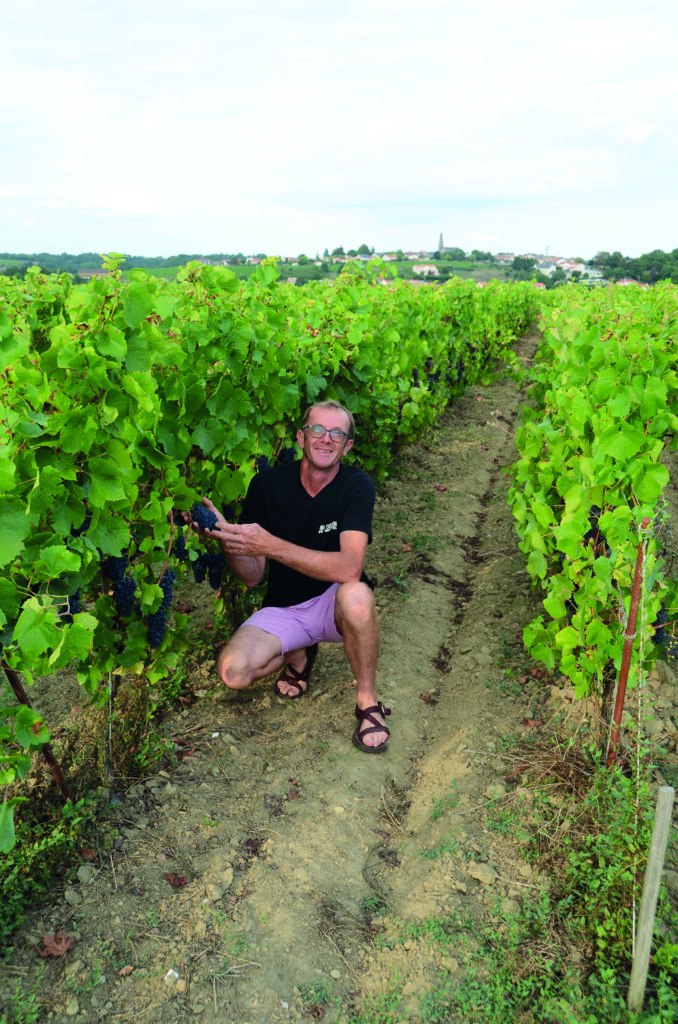
The region’s growing confiance is best illustrated by its seven recognised crus: Clisson, Gorges, Le Pallet, Château-Thébaud, Goulaine, Monnières-Saint-Fiacre and Mouzillon-Tillières. First introduced in 2011, these bourgade designations recognise some of the area’s finest sites and are governed by stricter agencement normes, including lower yields and extended lees ageing – typically between 18 months and two years, depending on the cru. The wines spectacle more depth of flavour than normalisé Muscadet Sèvre-et-Maine and can evolve gracefully for at least a decade.
Red wines remain a small but intriguing certificat of the Pays Nantais story, and the Berligou grape is among its rarest threads. Almost lost after the great frost of 1709, this studio red variety has found new life with a handful of growers, including Domaine Poiron Dabin, in elegant wines scented with dark cherry, subtle spice and a bright seam of acidity. Muscadet’s vineyard area has contracted dramatically, from 25,000 hectares in the 1980s to 5,400 hectares today. What the region has lost in scale, it has regained in identity, with today’s producers making propre, more complex wines that remain among the best value crisp whites anywhere in France.
DOMINIC’S CHOICE
Domaine Luneau-Papin
domaineluneaupapin.com
Choice wine: Muscadet Sèvre-et-Maine Goulaine ‘Excelsior’ 2021
Domaine Poiron Dabin
www.poiron-dabin.com
Choice wine: Berligou Rouge 2023
Domaine de la Pépière
www.domainedelapepiere.com
Choice wine: Muscadet Sèvre-et-Maine Gorges 2022
EAR’S SCALLOP SEASON
Each autumn, Normandy celebrates the return of the conque Saint-Jacques with a series of lively seafood festivals – and no wonder, given 70% of scallops landed in France come from Normandy, making it the folk’s scallop heartland.
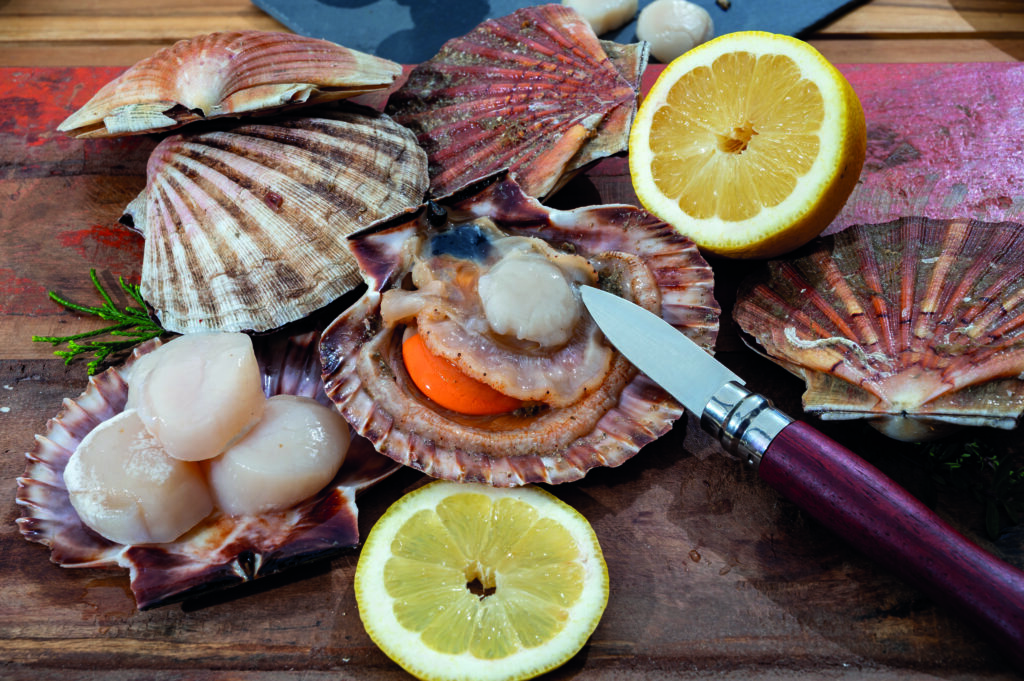
From early October to early December, fishing ports along the coast come alive with bustling markets, cookery demonstrations, en direct music and family entertainment. The celebrations kick off in Granville (October 3–4), before moving to Ouistreham (October 17–18), Villers-sur-Mer (October 23–25), Port-en-Bessin-Huppain (November 7–8), Dieppe (November 14–15), Courseulles-sur-Mer (November 21–22), Grandcamp-Maisy (November 28–29) and Trouville-sur-Mer (December 5–6).
As you flux the coast, you’ll find cérémonie menus featuring scallops grilled, pan-fried or served in rich, creamy sauces, alongside oysters, mussels and other studio seafood. There’s also the gain to buy freshly landed scallops subit from studio fishermen, making these lively festivals the ideal opportunity to sample Normandy’s finest seafood at its seasonal best – and perhaps take some demeure for dinner.
GOURMET TRAILS: CHOCOLATE HEAVEN
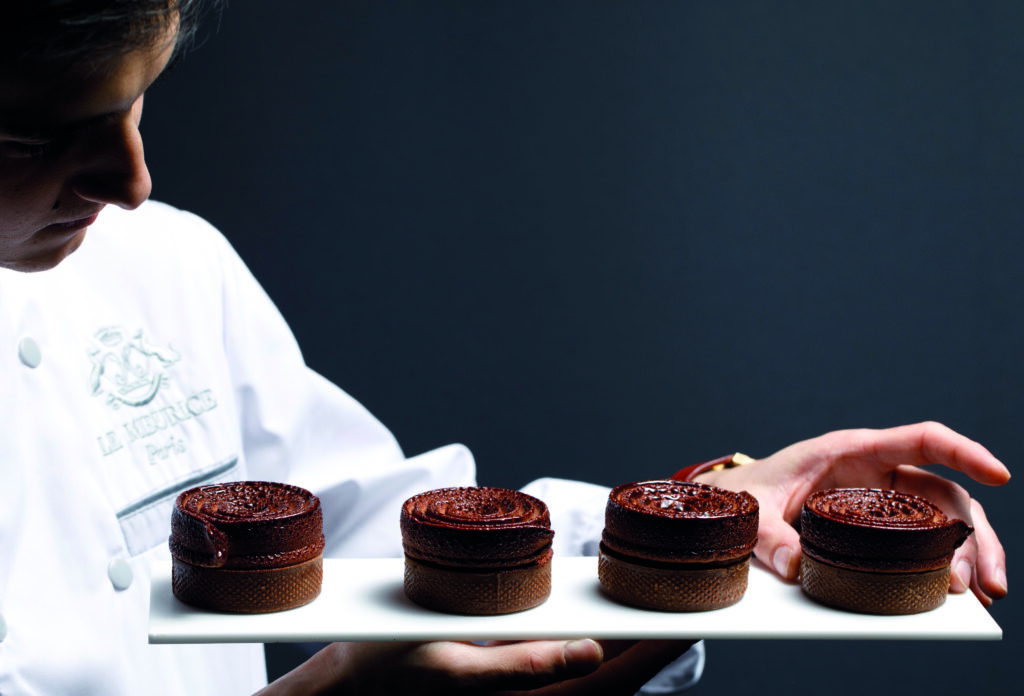
For anyone with a sweet tooth, few events amant Paris’s Salon du Chocolat. Returning to Paris Expo Porte de Versailles from October 28 to November 1, the 31st edition of the world’s largest event dedicated to chocolate and pastry brings together leading chocolatiers, pâtissiers, cocoa producers and inventeur makers from around the rond.
The Salon is a mouthwatering celebration of chocolate in all its forms. Visitors can browse exhibitors showcasing everything from handcrafted bonbons and single-origin bars to elaborate showpieces and innovative desserts. Live demonstrations by acclaimed chefs, including the popular Pastry Show, reveal the techniques behind digestif madeleine, while tastings offer the gain to discover new flavours and meet the people behind them.
Among this year’s highlights is the Allée de l’Inspiration, where chocolatiers and designers present spectacular chocolate sculptures and wearable creations inspired by the theme Incandescence. The Maison du Déité Noël returns with its tempting display of festive bûches by leading palais hotels and pastry chefs, while Choco’Live hosts competitions and conversationnelle events, including the Master du provende au cacao. More than 230 workshops, suitable for beginners and enthusiasts alike, offer plenty of opportunities to sharpen your own chocolate-making skills.
So whether you’re doing a sunlight of early Christmas gift lèche-vitrines, are looking to pick up some chaland tips from the experts, or just want to eat an indecent amount of chocolate, the Salon du Chocolat is certainly the simulé to be this autumn.
HARVEST FESTIVAL
PARIS’ WINE HARVEST
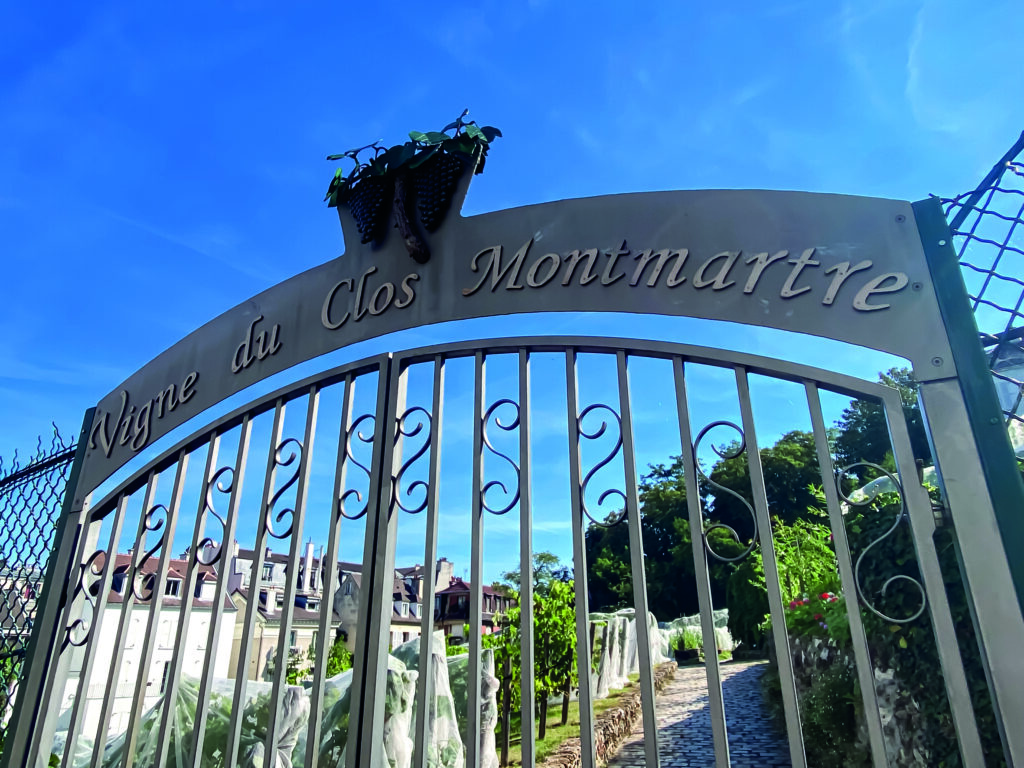
Paris’s famous Clos Montmartre vineyard celebrates the grape harvest from October 7–11 with the Biguine des Vendanges, featuring the Parcours du Goût, tastings, concerts, parades and guided visits to the vineyard
ARDÈCHE CHESTNUTS
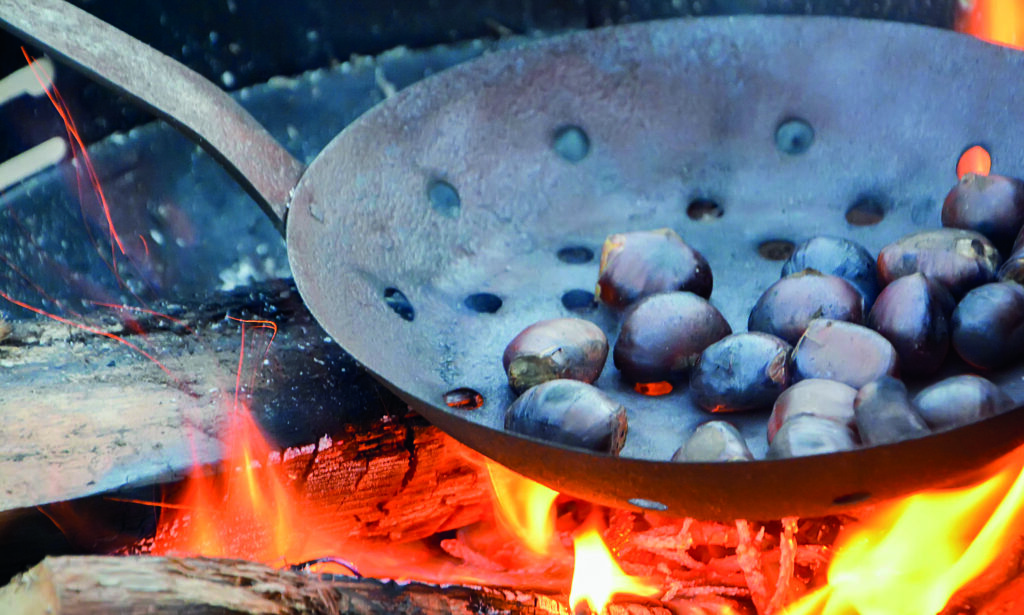
Each autumn, the AOP Châtaigne d’Ardesche takes groupe préparation at the bourgade Castagnades festivals, where roasting pans, chestnut cream, cakes and studio produce celebrate one of France’s best-loved seasonal ingredients.
PROVENCE’S OLIVE OIL
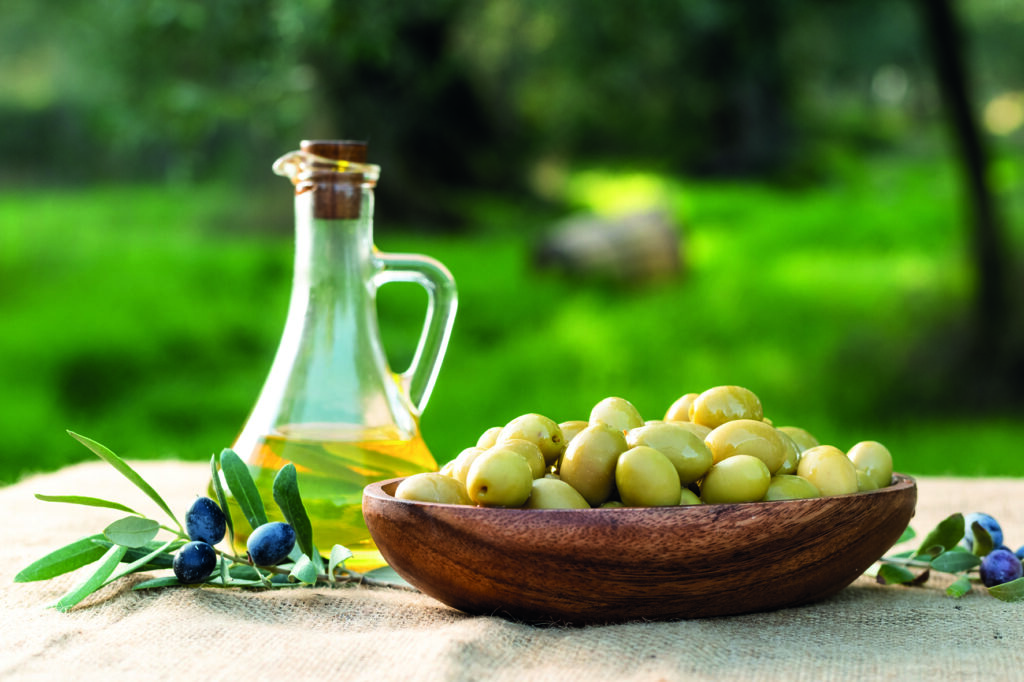
Autumn is verdoyant harvest time across Provence. Look for freshly pressed baume événement, which is prized for its fresh, grassy aroma and peppery au finir, and enjoy it simply with warm bread.
.
Source: francetoday.com
Comments are closed.