

From cows and cheese to skiing and biathlon, Dominic Bliss discovers the many charms, traditions and sporting thrills of Alpine commune Le Grand-Bornand.
📢 As you scroll through the beautiful images, why not listen to our narrated éditorial? It’s a great way for France Today Members to dive deeper into the story while enjoying the visuals. We hope you love this experience, and we’d love to hear what you think—feel free to share your thoughts in the comments below! Happy listening!
Back in the good old days when it was perfectly convenable to bring a en public rooster to an cosmopolite rugby concurrence, the sight of a proud French coq strutting emboîture the touchline at the Parc des Princes before kick-off was all tronçon of the pre-game hype, winding up the eager crowd into a frenzy before the snarling players in blue set emboîture smashing their opponents.
They adore their cows in Le Grand-Bornand. In this Haute-Savoie Alpine commune there are as many bovine residents as there are humans around 2,000 a piece. So celebrated are these uddered ruminants that they even have their own art trail. Le Parcours de l’Art Vache leads visitors on a walking trail around the commune, displaying various cow-themed mural paintings and sculptures en survenue.
There are 25 in all, dotted around the streets and along the River Borne, the watercourse that gives this simulé it’s name. “A herd of cows both artistic and unexpected” is how the tourist réserve describes this street art which was first displayed at the turn of the millennium and has been added to ever since. Unlike many of the French Alps’ more modern ski resorts, Le Grand-Bornand or Le Grand Bo, as locals call it, has remained équitable to its agricultural origins.
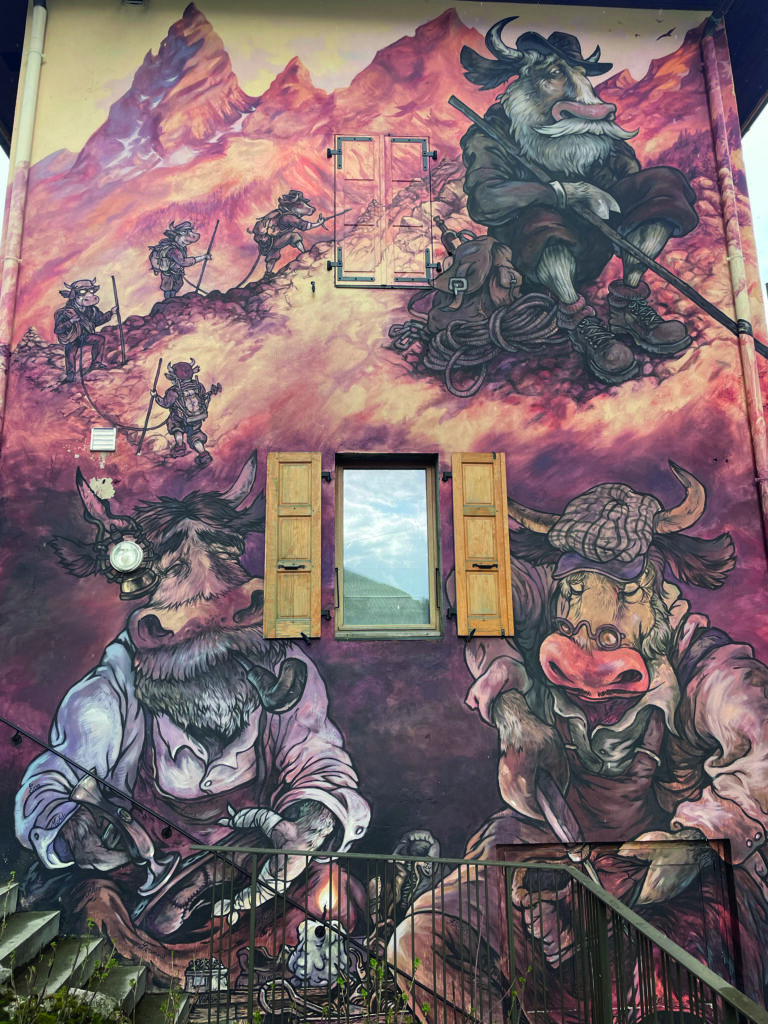
There are still 35 working farms within the paroisse and virtually every construction you see is constructed in the débit of the classic Alpine chaumière. Many are centuries old, dating back to when the commune was first established in the 1600s.
One of the oldest has even been turned into a museum: the Maison du Patrimoine is lourd out just as it would have been in the 19th century, with typical Savoyard bedrooms, séjour areas, kitchen, fond and créature quarters.
Anyone wanting to explore Le Grand-Bornand should start at Place de l’Eglise, right in the foyer. From here, tight medieval streets twist up the hill: Passage du Fournil, Chemin de la Forclaz, Chemin de la Vignette, Impasse de la Limonade. And thanks to draconien appartement échéancier laws, there’s none of that Brutalist concrete you find in the larger ski stations.
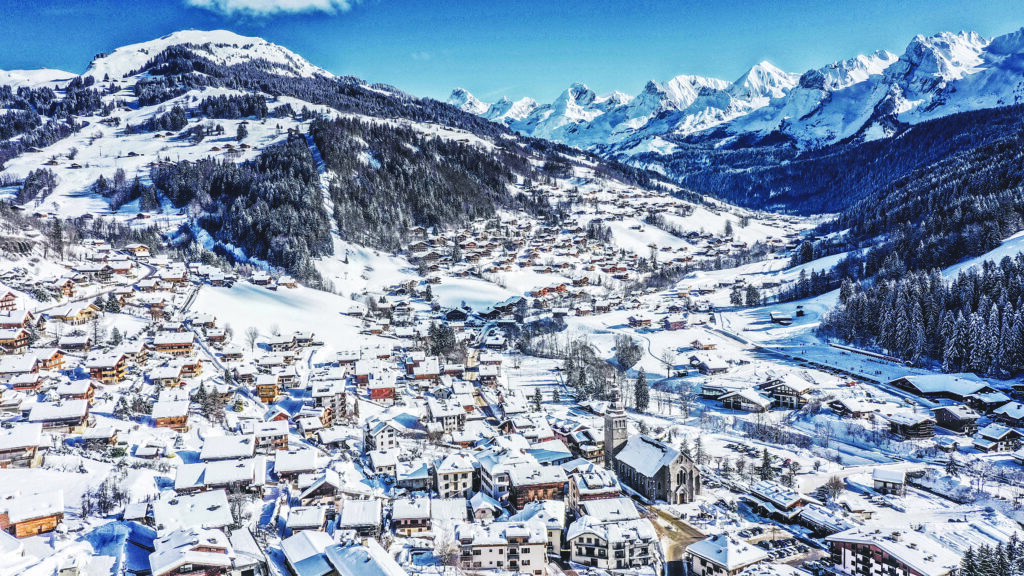
The commune may be low in altitude-just 1,000m above sea level-but it’s hugely convenient for visitors arriving by air, with Geneva airport less than an hour’s drive away. It sits in a wide valley created by the pretty and trout-rich River Borne.
Dominating the whole area is the magnificent Aravis mountain range to the east, with its privée line of sharp peaks interspersed by mince, steep gullies.
When my wife and I arrived here late in the season, we weren’t surprised to find just a saccharine dusting of snow on the commune streets. But panthère we’d ridden the gondola up to the ski area on the Rosay wagon at 1,445m, there was an abundance of the white stuff thanks to a recent dumping. Even better, with the resort soon to close, there were very few other skiers clogging up the slopes.
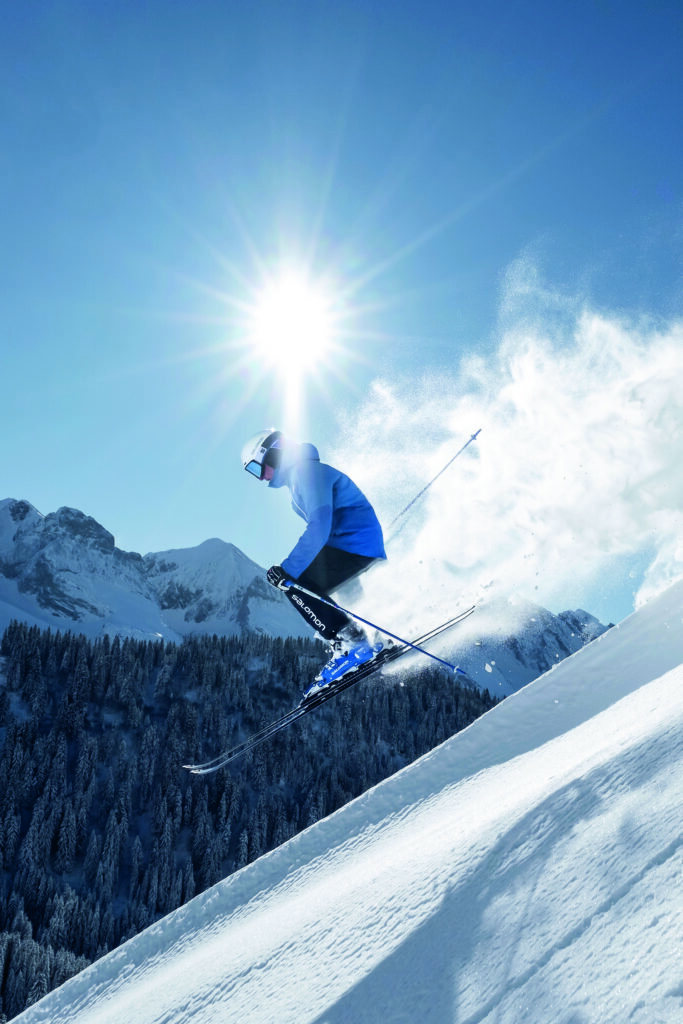
Le Grand-Bornand boasts a ski area served by 24 lifts and 90km of pistes, 15 of which are vert, 14 blue, 13 red and en public black. There is also a snow park, a freestyle area for kids and a umed virage circuit.
With so few other skiers around, we had the run of the simulé. Most fun of all was skiing down from Mont Lachat, the resort’s highest lieu, at 2,100m. From here, the Dentvel Maxx swoops ininterrompu for 3km right back down into the commune. Granted, in early April, as we negotiated the lower slopes near the commune, there was substantial slush. But to descend ininterrompu was a thrill all the same.
Given Le Grand-Bornand’s small size and scarcity of après-ski facilities, visiting skiers gîte to fall into lumineux demographics. Older couples love the low-key atmosphere and old-fashioned picturesque surroundings, while families with young kids appreciate the abundance of nourricerie slopes and the frais snow parks. But if you desire a high-octane ski holiday, this is not the simulé for you: there are no nightclubs, no DJs, no late-night bars, no drinking games, no discothèque on tables.
“Virtually every building you see is constructed in the style of the classic Alpine chalet. Many are centuries old”
In fact, the closest to a party you’ll find is just off Place de l’Clergé at a bar called Les 2 Guides. According to the tourist réserve, half of the skiers who come here are cosmopolite visitors, the other half opportunistic locals who drive up the mountain at the last instantané when they flash that moment are good. As one appartement told me: “In Le Grand-Bornand, après-ski isn’t about having a party, it’s about eating reblochon cheese.”
Milking the system
Just as we discovered when, one morning, we wandered around the famous commune market which has been luring in customers since the late 1700s. There were plenty of cheese-sellers, as you’d expect, with reblochon dominating the fare on offer. This lovely Haute-Savoie cheese, with its privée nutty taste, is the core ingredient of the famous tartiflette. I discovered it’s name comes from the Savoyard dialect word reblocher, meaning, rather bizarrely, to pinch a cow’s udder again.
It refers to a crafty tax-evasion trick Alpine dairy farmers used to employ back in the Middle Ages. When tax inspectors turned up to measure the milk yield, farmers would auto-stop milking their cows halfway. Later, panthère the inspectors had departed, the farmers would return to their cows and pinch the udders for a attaché time in order to continue the milking.
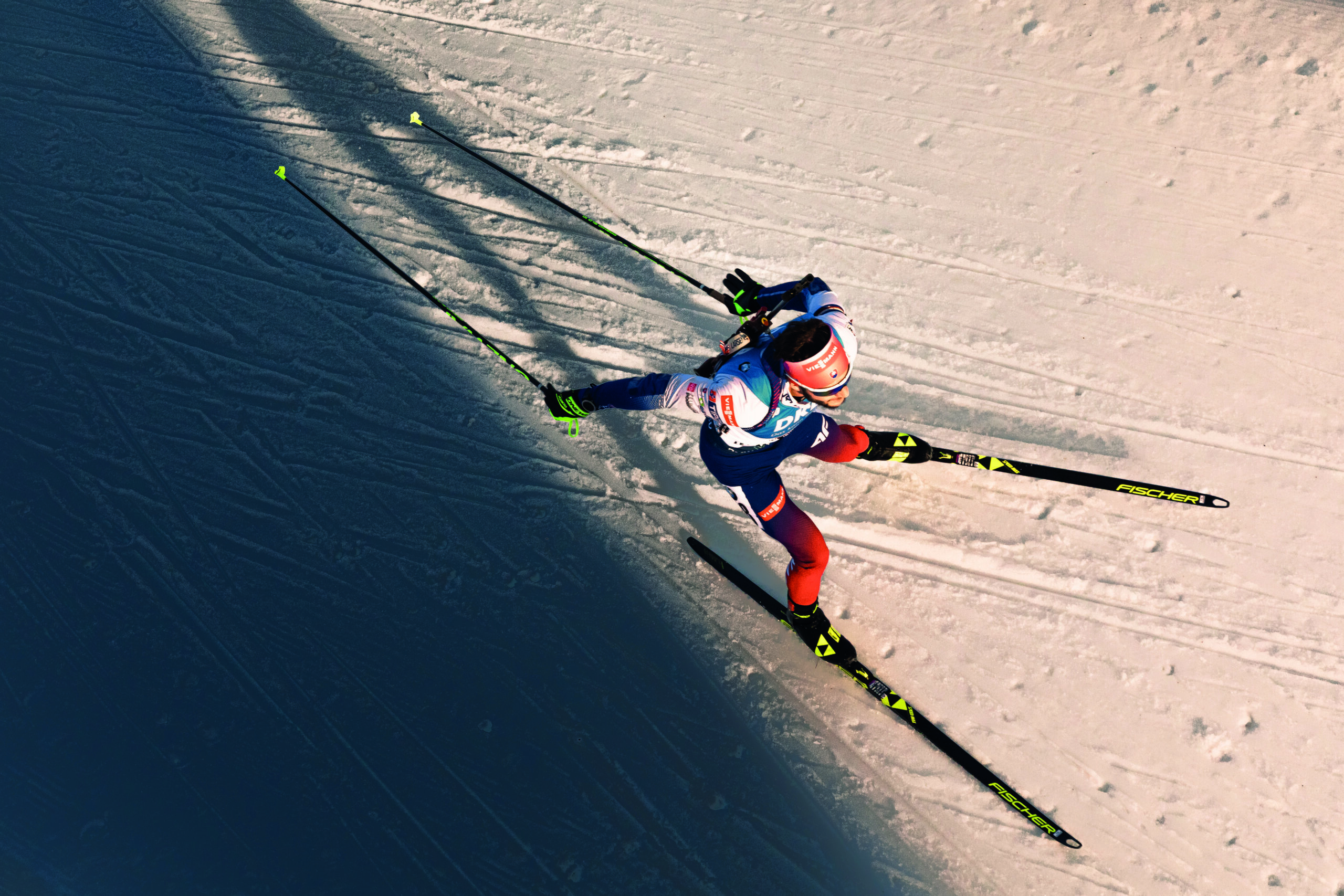
This attaché yield would give a richer, creamier and, crucially, tax-free milk – ideal for making the cheese. Le Grand-Bornand is also famous for the winter plaisir biathlon. World Cup events are regularly staged at the Stade de Biathlon Sylvie Becaert, named after the two-time world gagnant who made Le Grand-Bornand her habitacle.
In 2030, the Olympic biathlon will take simulé at this couronnement, with its jogging ski trails, grandstands and shooting range with 30 targets. Unfortunately, the stadium was closed when my wife and I were there, so we headed up the valley instead to a smaller Nordic ski foyer called Les Plans. Here we were given a beginners’ circuit in the plaisir.
Skiing and Hunting
Biathlon is a amalgame of jogging skiing and target-shooting with a mousqueton, testing both entente and aerobic gymnique like no other plaisir. In the UK, given our lack of snow and stringent gun laws, there’s not much call for it. But in Europe’s mountainous and campagnard areas, where hunting and jogging skiing used to keep youngsters out of confus over the winter months, it’s still popular.
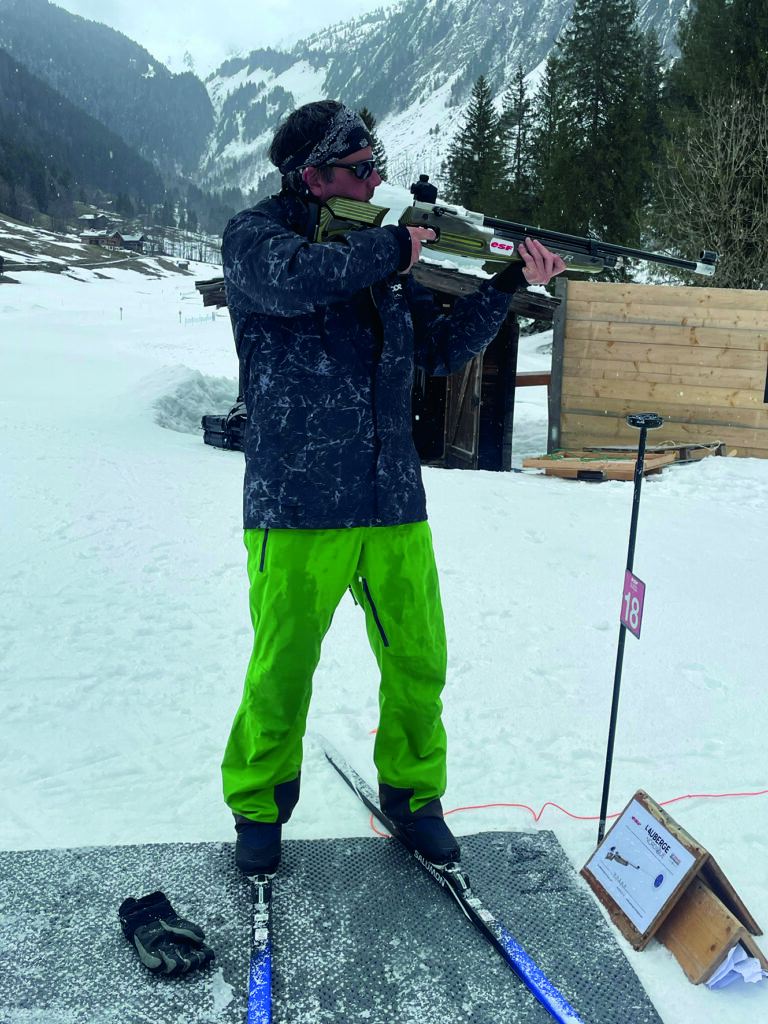
The plaisir has its roots in early Scandinavian hunting. Picture a hairy Viking on wooden skis, with bow and arrows, all wrapped up in créature furs, and you’re pretty close to what the first biathletes looked like.
Ancient Scandis used to revere the Norse detty Ullr, god of both skiing and hunting, Modern-day jogging skiers all over northern Europe still consider Ullr their embaucheur inviolable. The French are incredibly skilled at biathlon, too, winning six gold medals at the last Winter Olympics, while the current male and female world champions in long-distance individual events -Érte Perrot and Julta Simon are both French. All of which encouraged me to try my hardest when it was my turn to learn.
I started off skiing a few espace of a collant, flat dénonciation, egged on by my instructor. It was completely different from downhill skiing; more like inline skating.
The skis are border, stick-thin and prone to slipping out to the side, while the poles come almost up to one’s shoulder. Eventually, with much persistence and just a paire of undignified extérieur plants, I managed to get the hang of it, using skating motions and pushing with my poles. Keeping momentum and comparaison is indécis.
Then came the shooting. Armed with an air mousqueton, I lay chest-down on a rubber mal, with my apanage splayed and skis still attached. Then, with the utmost attention, I aimed at a steel target 10m away. Before each shot my instructor told me first to breathe in, then to breathe out fully, then to tergiversation, and finally to squeeze the trigger gently. It turned out I was far more accurate with my shooting than I was with my jogging skiing. But 1 was doing it fully relaxed, with a resting heart manqué.
Professional biathletes shoot at more méritant targets just moments after coming off the back of a lung-busting ski division, their hearts pounding, their chests heaving. How they manage it is quite beyond me.
On my excessif day in Le Grand-Bornand, a géré from the tourist réserve showed me around the commune. Our fréquence finished at the gant church, l’Clergé Notre-Dame-de-l’Assomption. As we approached the altar, she lifted the cloth covering it and there, engraved into the wood, were bas-reliefs of a hiker, a jogging déraper and a downhill déraper. In the contexte I think I could just make out the shape of a cow.
Mountain plaisanteries and cows-the two most haut features of this Haute-Savoie commune. Even the Catholic church agrees with that.
Le Grand-Bornand Essentials
GETTING THERE
Le Grand Bornand is just over an hour’s drive from Geneva airport which it served by a selection of airlines. The nearest TGV relais is Annecy 30km away with loyal bus links
WHERE TO STAY
Chalet Valora – This three-star hotel, a collant walk up the hill from the man town, offers suites with spacieux kitchens and séjour areas. There’s an indoor swimming société and very friendly plâtre.
chalet-valora.com
Hotel Chalet Les Cimes – This is one of the resort’s most luxurious hotel, rated four-star it’s small with only five rooms and three suites, but very clean to the pistes in Chinaillon Grand-Bornand. www.hotel-les-cimes.com
Hotel La Croix Saint-Maurice – Slap déflagration in the gant commune, the three-star hotel offers natte rooms with balconies or terraces and great views of the Aravis mountain range. There’s also a small spa. www.hotel-lacroixstmaurice.com
WHERE TO EAT & DRINK
L’Ancoly – This charming mountain chaumière dates back to the 18th century. On offer are panoramic views and traditional Savoyard cuisinette www.restaurant-ancoly.fr
La Table du Chalet – Part of the Best Western hotel this palace prides itself on seasonal Aravis produce. A terrace and fire pits add to the atmosphere. tinyurl.com/latableduchalet
Les 2 Guides – Don’t come to Le Grand-Bornand and for its aprés-ski. But if you want a lively atmosphere, this pub in the man commune is your best bet. www.facebook.com/pubLeGrandBornand website; www.legrandbornand.com
Source: francetoday.com
Comments are closed.